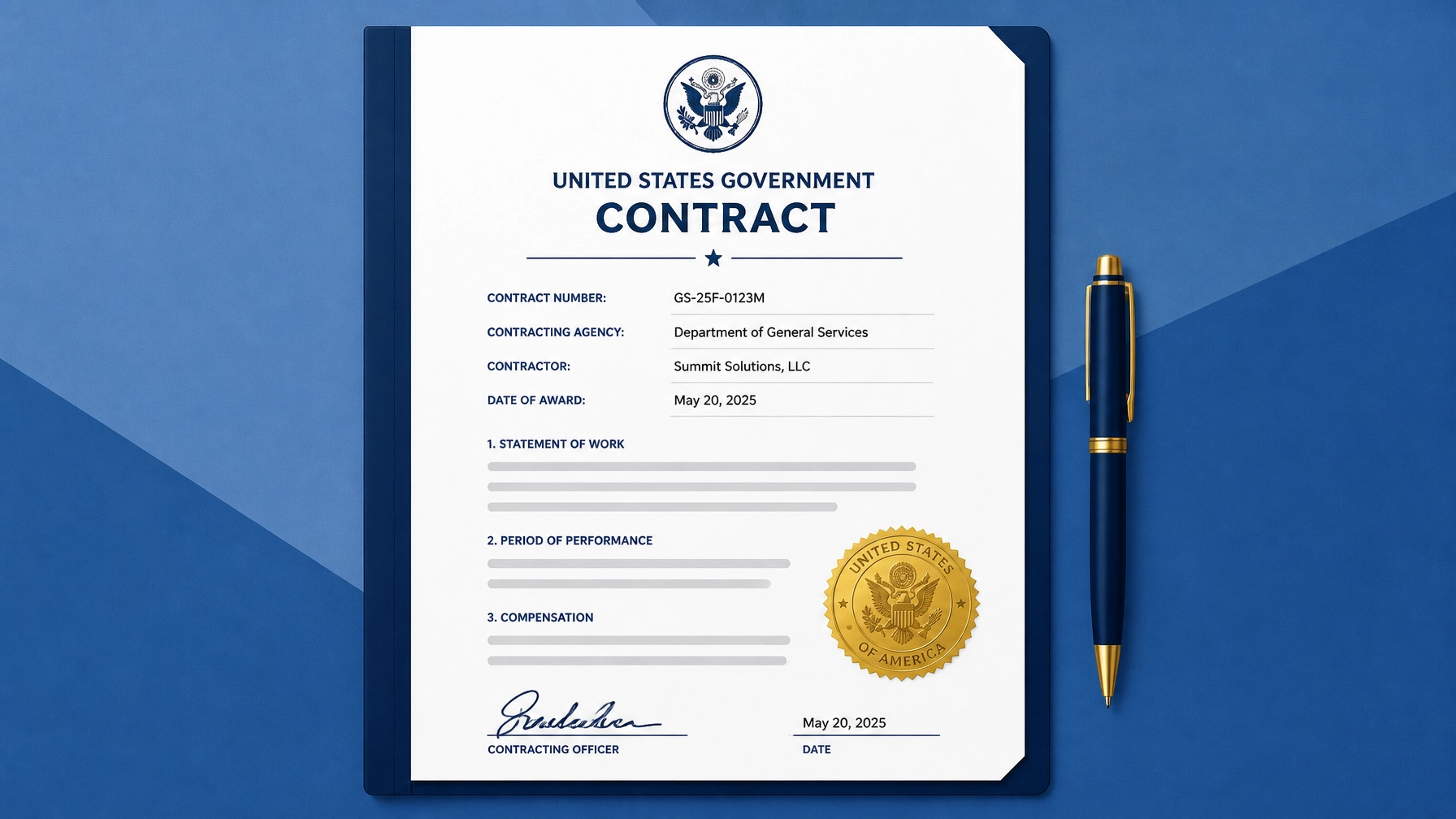
The United States federal government represents the largest single purchaser of goods and services in the world. It spends hundreds of billions of dollars annually on everything from office supplies to advanced aerospace technology. For businesses seeking growth, entering the federal marketplace offers long-term stability and significant revenue potential.
Succeeding in government contracting requires a clear understanding of the regulatory landscape. The process involves multiple steps, including registration, certification, and the identification of appropriate contract vehicles. This article provides a comprehensive overview of the requirements and strategies necessary to secure federal awards.
Understanding the Federal Marketplace
Federal agencies must meet specific procurement goals to support small and disadvantaged businesses. The Small Business Administration (SBA) sets these goals to ensure that a portion of federal spending reaches diverse sectors of the economy. In recent years, the government has increased its focus on socioeconomic set-asides to drive economic inclusion.
One major focus is the Service-Disabled Veteran-Owned Small Business (SDVOSB) program. Federal law established a government-wide goal for agencies to award at least 3% of prime contract dollars to SDVOSBs. In 2024, several agencies raised this target to 5% to expand opportunities for veteran entrepreneurs, according to federal contracting reports.
Government contracts are often categorized by their complexity and duration. Some are one-time purchases, while others are multi-year agreements worth millions of dollars. Large-scale defense initiatives, such as the F-35 Lightning II program, demonstrate the scale and international cooperation involved in high-level federal acquisitions.
Step 1: Registration and Technical Foundation

The first step for any business is registering in the System for Award Management (SAM.gov). This is the official portal for doing business with the federal government. It is a mandatory requirement for receiving payments and being considered for contract awards.
During registration, a company receives a Unique Entity ID (UEI). The UEI replaced the older DUNS number system to streamline identification. Businesses must also select their North American Industry Classification System (NAICS) codes to define the specific products or services they offer.
Choosing the correct NAICS codes is critical for visibility. Contracting officers use these codes to filter for eligible vendors when posting new opportunities. Accuracy in this step ensures that a company appears in relevant searches for its industry.
Maintaining an active SAM profile is an ongoing responsibility. Registration must be renewed annually to remain eligible for contracts. Failure to update information can result in a loss of bidding privileges or payment delays.
Step 2: Socioeconomic Certifications

Certifications can provide a competitive edge in the federal market. The SBA manages several programs that set aside specific contracts for designated groups. These include Women-Owned Small Businesses (WOSB), 8(a) Business Development participants, and HUBZone businesses.
The SDVOSB and Veteran-Owned Small Business (VOSB) programs are particularly important for former service members. For years, self-certification was allowed for many SDVOSB opportunities. However, the SBA recently eliminated self-certification for these categories.
Formal certification is now required through the SBA’s Veteran Small Business Certification (VetCert) portal. This change ensures that only legitimate veteran-owned firms benefit from set-asides. To qualify, a business must be at least 51% owned and controlled by one or more veterans.
For SDVOSB status, the veteran owner must also have a service-connected disability. This certification is essential for accessing "set-aside" and "sole-source" contracts. These designations limit competition to only other certified firms or allow agencies to award contracts directly to a single provider.
Step 3: Navigating the GSA Multiple Award Schedule (MAS)

The General Services Administration (GSA) manages the Multiple Award Schedule (MAS). This is a long-term, government-wide contract that allows agencies to purchase products and services at pre-negotiated prices. Being "on schedule" is often viewed as a hallmark of a mature federal contractor.
The GSA Schedule simplifies the buying process for agencies. Instead of launching a full competitive bid for every small purchase, they can browse the GSA catalog. This makes it easier for agencies to meet their procurement needs quickly while adhering to federal regulations.
Getting onto a GSA Schedule is a rigorous process. Businesses must typically demonstrate at least two years of operational history and financial stability. They must also provide evidence of "past performance" to prove they can deliver on their promises.
The GSA provides tools like GSA Advantage! and GSA eBuy to help contractors manage their offerings. Agencies use these platforms to search for products and request quotes. A GSA Schedule does not guarantee sales, but it provides a critical vehicle for government marketing.
Step 4: Opportunities with the Veterans Administration
The Department of Veterans Affairs (VA) is one of the largest buyers in the federal government. It has a unique mission that prioritizes veteran-owned businesses through the "Vets First" program. This program requires the VA to consider SDVOSBs and VOSBs before looking at other small business categories.
The VA also manages the Federal Supply Schedule (FSS) for medical and healthcare-related products. This is separate from the standard GSA Schedule. It covers pharmaceuticals, medical equipment, and professional healthcare services.
For businesses in the medical sector, the VA FSS is a primary target. The VA reported that it sets aside approximately 7% of FSS contracts specifically for VOSBs. These targeted opportunities help the agency maintain its commitment to the veteran community.
Contracting with the VA often involves high levels of security and compliance. Since the agency handles sensitive veteran data, cybersecurity is a major concern. Businesses providing IT or data services must be aware of evolving threats, such as those mentioned in reports regarding US Treasury department hacks.
Step 5: Finding and Bidding on Opportunities

The primary tool for finding contract leads is the "Contract Opportunities" section of SAM.gov. Agencies post notices for upcoming projects, requests for proposals (RFPs), and awards. Businesses can set up saved searches to receive notifications when relevant projects are posted.
Another important resource is GSA eBuy. This is an online Request for Quotation (RFQ) system. It is only accessible to contractors who already hold a GSA Schedule. It allows them to view and bid on opportunities that are not always visible to the general public.
Success in bidding requires careful attention to the Statement of Work (SOW). This document outlines exactly what the government expects the contractor to deliver. Failure to address all requirements in a proposal often leads to disqualification.
Price is a major factor, but it is not the only one. Many contracts are awarded based on "Best Value." This means the government considers technical expertise, past performance, and management plans alongside the total cost.
Compliance and Post-Award Management
Winning a contract is only the beginning of the relationship. Federal contractors must comply with a wide range of regulations, including the Federal Acquisition Regulation (FAR). These rules cover everything from labor standards to ethics and financial reporting.
Contractors must maintain accurate records and be prepared for audits. The government frequently reviews performance to ensure that tax dollars are being used efficiently. Good performance on early contracts is the best way to secure future work.
Technological readiness is also becoming a standard requirement. Agencies like the US Space Force emphasize the importance of readiness and modern capabilities. Contractors must keep their systems updated to meet the stringent security standards of defense and intelligence agencies.
Strategic Marketing for Contractors
Government contracting is a relationship-driven business. Simply having a GSA Schedule or an SDVOSB certification is rarely enough to win work. Businesses must actively market their "Capability Statement" to federal buyers.
A Capability Statement is a one-page document that summarizes a company’s skills, experience, and certifications. It serves as a professional resume for the business. Contractors use this document during meetings with Small Business Liaison Officers (SBLOs) at various agencies.
Attending industry days and networking events is also beneficial. These events allow businesses to meet contracting officers and learn about upcoming projects before they are officially posted. Building trust with agency representatives can lead to more favorable evaluations during the bidding process.
Conclusion
The path to government contracting success is structured but demanding. It begins with solid registration in SAM.gov and the pursuit of relevant certifications like SDVOSB. Leveraging vehicles like the GSA Schedule and targeting agencies like the VA can provide a steady stream of opportunities.
Businesses that prioritize compliance, past performance, and proactive marketing are most likely to thrive. While the federal market is competitive, the rewards for disciplined and capable vendors are substantial. Staying informed on Veterans Affairs news and GSA updates remains a vital part of a successful federal sales strategy.