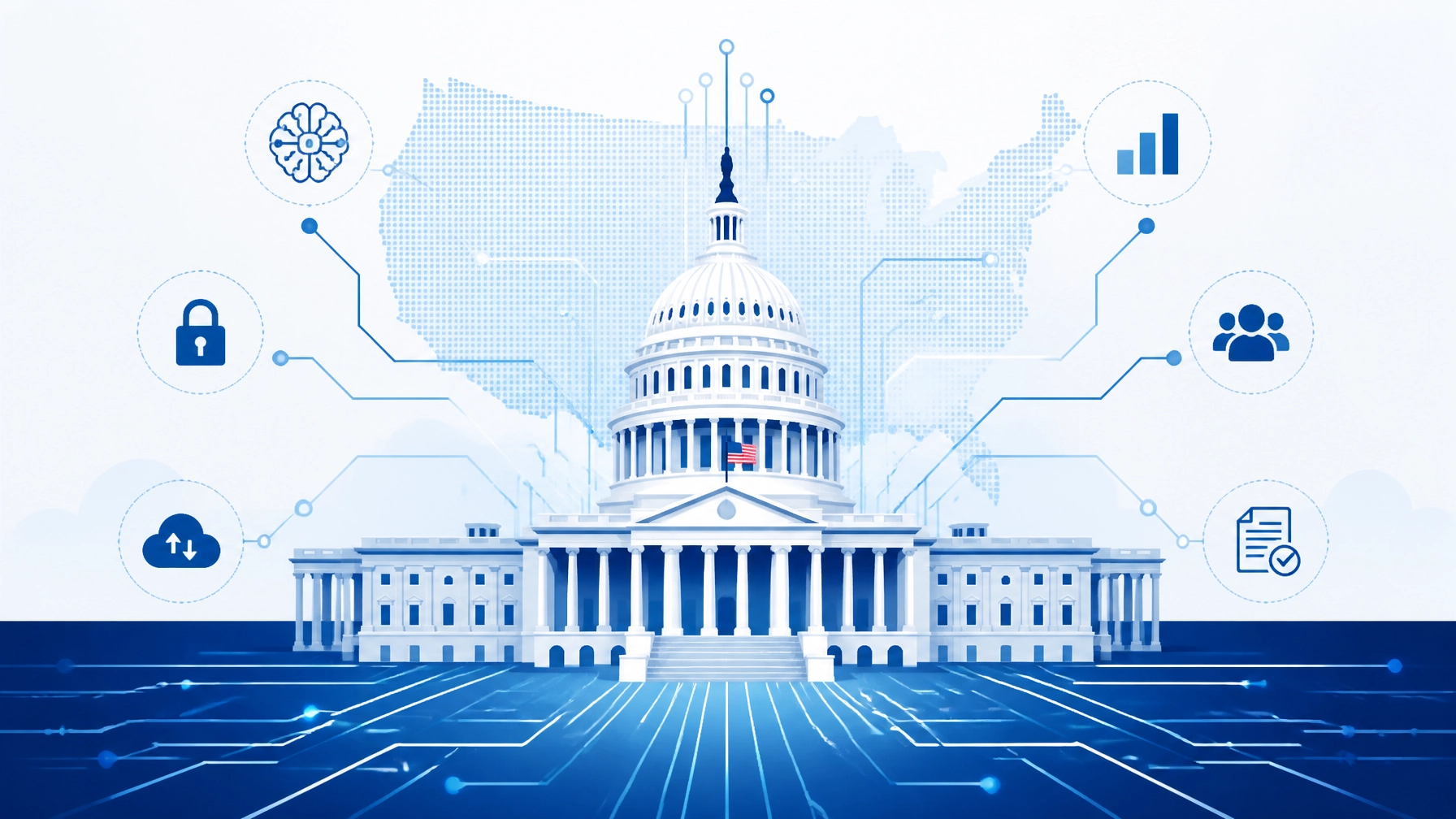
The Department of Veterans Affairs (VA) is implementing a formal strategy to modernize its infrastructure through the adoption of trustworthy artificial intelligence. This shift is creating a significant surge in government contracts for private sector firms capable of meeting new technical and ethical benchmarks. VA officials said the department is prioritizing "high-impact" use cases that improve healthcare delivery and claims processing for veterans.
The modernization efforts are specifically targeted at reducing administrative backlogs and enhancing the accuracy of medical diagnoses. According to recent strategy updates, the VA is moving toward a dual-track adoption model. This model allows for rapid experimentation in pilots while simultaneously developing enterprise-wide standards for scaling successful technologies.
Contractors seeking to participate in these initiatives must align their offerings with the VA’s Trustworthy AI Framework. This framework emphasizes transparency, data integrity, and human-centered design. The Department said it intends to standardize how AI systems are evaluated and monitored across its various branches.
The Trustworthy AI Framework and Governance
Vendors must now demonstrate compliance with the VA’s established AI management framework to secure long-term partnerships. This framework is grounded in federal standards that prioritize veteran trust and safety. The Department said it is looking for capabilities that include efficient AI use-case management and robust lifecycle governance.

Data integrity remains a cornerstone of the new modernization standards. Contractors are expected to provide strong quality controls for the data pipelines that feed AI models. VA officials said they require solutions that offer clear documentation regarding AI behavior and potential limitations.
Human oversight is a non-negotiable component of the VA's AI strategy. Systems used for clinical decisions or benefits adjudication must include safety controls that keep human experts in the loop. The Department said this approach ensures that technology remains a supportive tool rather than a replacement for professional judgment.
Interoperability is another critical factor for any firm pursuing veterans affairs news related to IT modernization. The VA is actively working to eliminate "technical debt" by replacing legacy systems with modern, integrated platforms. Contractors must show that their AI solutions can fit seamlessly into the broader VA technical ecosystem without creating new silos.
Expanding Opportunities for SDVOSBs
The VA’s modernization push is creating a favorable environment for Service-Disabled Veteran-Owned Small Businesses (SDVOSB). Current federal regulations and VA-specific mandates require a portion of spending to be set aside for these firms. VA officials said that certified SDVOSBs are uniquely positioned to provide the agility and specialized expertise needed for AI pilots.

SDVOSBs can pursue both set-aside and sole-source awards tied to the VA’s technology roadmap. To qualify, these firms must maintain certification through the Small Business Administration (SBA). The Department said that utilizing veteran-owned businesses aligns with its mission to support the broader veteran community through economic opportunity.
Opportunities for SDVOSBs are particularly prevalent in data engineering and user research. The VA requires support in cleaning and preparing large datasets for machine learning applications. Additionally, firms specializing in human-centered design are needed to ensure that AI-enabled tools are accessible and intuitive for VA staff and veterans alike.
Successful SDVOSBs often team with larger systems integrators to gain the necessary past performance for massive enterprise contracts. This strategy allows smaller firms to contribute niche AI capabilities while leveraging the infrastructure of established prime contractors. The VA Contracting Roadmap provides specific steps for small businesses to identify these teaming opportunities and engage with relevant buying offices.
Leveraging the GSA Schedule for AI Procurement
The GSA schedule continues to be a primary vehicle for the VA to acquire AI and IT services. Contracting officers frequently use the Multiple Award Schedule (MAS) to streamline the procurement of commercial technologies. VA officials said that having a presence on the GSA schedule is a significant advantage for companies seeking to provide AI modernization services.
Firms with existing GSA contracts should look for specific Sin (Special Item Numbers) related to emerging technologies and IT professional services. The Department said it uses these schedules to find pre-vetted vendors who have already demonstrated financial stability and technical competence. Aligning GSA offerings with the VA’s Trustworthy AI standards can make a vendor more attractive during the market research phase.
The VA also utilizes specialized contract vehicles like T4NG2 (Transformation Twenty-One Total Technology Next Generation 2). This multi-billion dollar vehicle is a major source of IT and telecommunications support for the department. Contractors who are not prime holders on these vehicles often find success as subcontractors providing specialized AI algorithms or data science services.
Technical Requirements and Compliance Standards
Winning a government contract in the AI space requires rigorous adherence to security protocols. The VA requires all AI systems to meet FedRAMP (Federal Risk and Authorization Management Program) standards if they involve cloud components. VA officials said that security is the top priority when integrating external AI models with sensitive veteran health records.
Transparency in AI modeling is a frequent requirement in recent Requests for Information (RFIs) issued by the VA. The Department said it is moving away from "black box" solutions where the internal logic of the AI is hidden. Vendors must be prepared to explain how their models reach specific conclusions, especially in high-stakes environments like medical diagnostics.
Contractors must also address the issue of algorithmic bias. The VA’s modernization standards require vendors to test their AI tools for fairness across diverse veteran populations. The Department said it will not deploy technologies that show disparate impacts based on race, gender, or other protected characteristics.
Strategic Alignment with VA Goals
To win contracts, companies must demonstrate how their technology directly supports the VA’s core mission. This involves more than just providing a technical solution; it requires a deep understanding of the veteran experience. The Department said it prioritizes vendors who can show a clear link between their AI tool and improved veteran outcomes.

Focusing on "high-impact" use cases like claims processing is a proven path to securing VA interest. The department currently faces significant backlogs in disability claims, and AI-enabled decision support is seen as a primary solution. Contractors who can demonstrate a reduction in processing time while maintaining or improving accuracy are highly valued.
The VA is also interested in AI applications that enhance the efficiency of its electronic health records (EHR). As the department continues its multi-year EHR modernization, AI tools that can synthesize patient data and provide actionable insights to clinicians are in high demand. VA officials said they are looking for "practical automation" that reduces the burden on healthcare providers.
Future Outlook for VA AI Contracting
The roadmap for 2026 and beyond indicates a continued investment in technology modernization. Congressional oversight hearings have highlighted the need for the VA to remain at the forefront of AI adoption to meet the needs of a changing veteran population. The Department said it expects its AI budget to remain robust as it transitions from pilot programs to full-scale enterprise implementation.
Prospective contractors should monitor VA AI announcements for new pilots and task orders. Engaging early through RFIs and industry days is essential for shaping the department's requirements. VA officials said that early collaboration with industry helps the department understand the "art of the possible" while ensuring that new standards are realistic and achievable.
The combination of new AI modernization standards and strong SDVOSB set-asides creates a unique window of opportunity for innovative firms. By focusing on trustworthy AI, data integrity, and mission alignment, contractors can secure a position as a long-term partner in the VA’s digital transformation.
For more information on current federal procurement trends, readers can visit the USGov.News articles page or learn more about us and our coverage of government contracts.