


WASHINGTON : Service-Disabled Veteran-Owned Small Businesses (SDVOSBs) must adapt to significant regulatory shifts in 2026 to secure federal contracts. The General Services Administration (GSA) and the Department of Veterans Affairs (VA) have implemented AI-driven evaluation systems to streamline procurement. These reforms prioritize active contractors and penalize dormant schedules.
The federal government has set a mandate to award at least 5% of all prime contract dollars to SDVOSBs. The VA often exceeds this goal by utilizing specific set-aside and sole-source authorities. Navigating these opportunities requires a strategic approach to certification and schedule management.
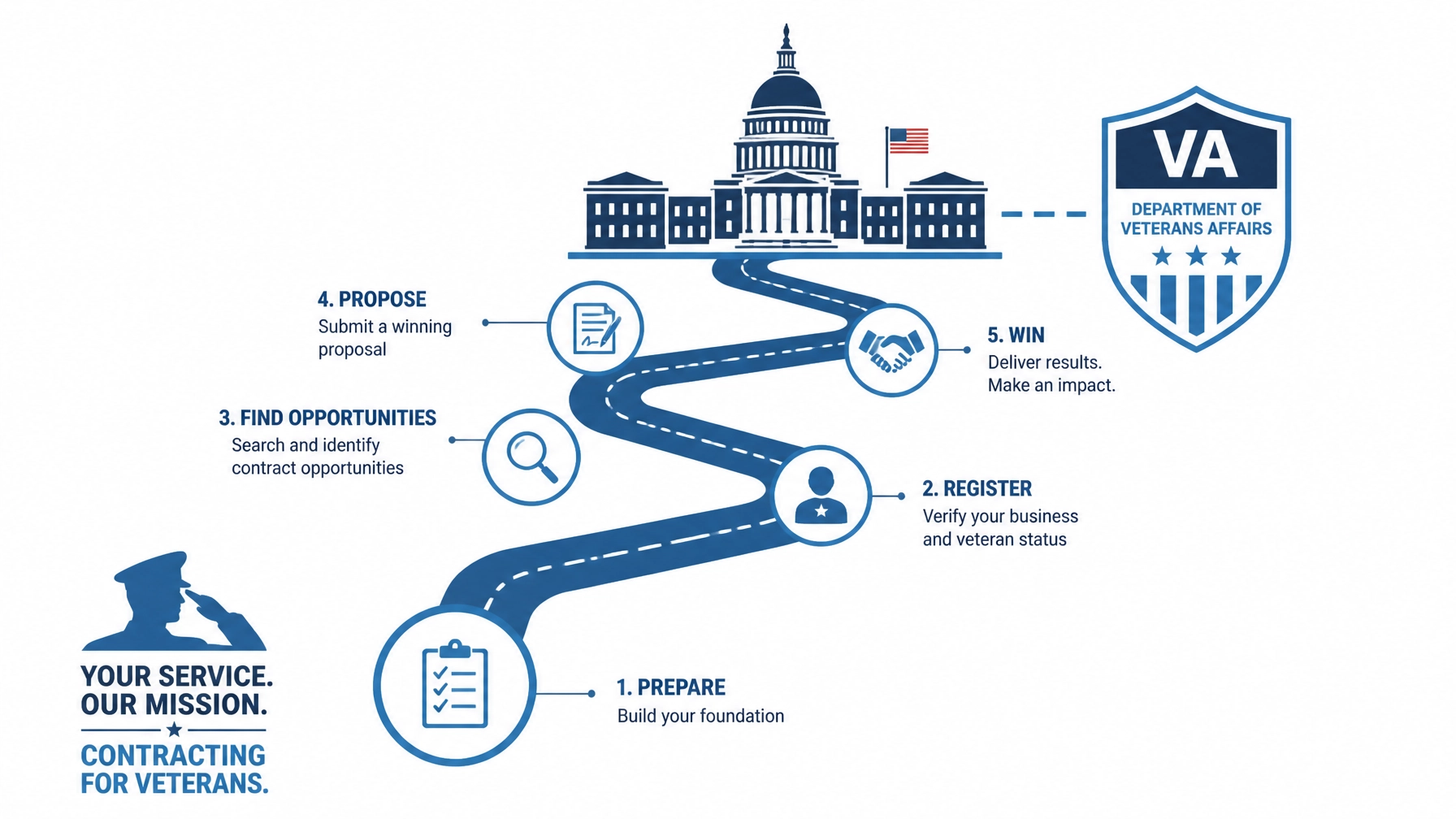
Securing a spot on the GSA Multiple Award Schedule (MAS) is a primary pathway for long-term federal revenue. The following steps outline the process for veterans to enter and succeed in this marketplace.
Step 1: Secure SBA VetCert Status and Federal Registration

The first requirement for any veteran-owned firm is obtaining official certification through the Small Business Administration (SBA). The SBA Veteran Small Business Certification (VetCert) portal is now the exclusive platform for this process. Self-certification is no longer valid for prime SDVOSB set-aside contracts.
A firm must be at least 51% owned and controlled by one or more service-disabled veterans. The veteran owners must manage day-to-day operations and make long-term strategic decisions. The SBA said these requirements ensure that benefits reach the intended veteran community.
Concurrent with certification, firms must maintain an active registration in the System for Award Management (SAM.gov). This profile includes North American Industry Classification System (NAICS) codes that define the firm's primary business activities. The SBA said accurate NAICS alignment is critical for appearing in agency market research.
Registration also requires a clean legal record. The GSA said it verifies that applicants are not debarred or suspended from federal work. Maintaining an active and updated SAM profile is a prerequisite for all following steps.
Step 2: Select the Appropriate GSA or VA Schedule

Vendors must determine if their products or services align with the GSA Multiple Award Schedule (MAS). The MAS is a large-scale contract vehicle that simplifies the buying process for federal agencies. It covers a vast range of categories including information technology, professional services, and office management.
The GSA said it recommends that firms have at least two years of business experience before applying. Firms with less experience may qualify through the Startup Springboard program if they meet specific technical criteria. This program allows newer companies to provide alternative data to prove their professional readiness.
For medical and healthcare firms, the VA maintains its own Federal Supply Schedule (FSS). The VA said it uses the FSS to procure pharmaceuticals, medical equipment, and healthcare services. Vendors should review the GSA eLibrary to map their offerings to specific Special Item Numbers (SINs).
Specific IT solutions may also qualify for the VETS 2 Government-Wide Acquisition Contract (GWAC). The GSA said VETS 2 is a multi-agency vehicle exclusively set aside for SDVOSBs. This contract allows agencies to fulfill their small business goals while obtaining complex IT services.
Step 3: Develop a Competitive Proposal and Pricing Model

The proposal process for a GSA Schedule is rigorous and requires detailed financial disclosures. Applicants must provide financial statements and past performance records to prove stability. The GSA said it uses this data to ensure that contractors can fulfill large-scale government orders.
Pricing is a central component of the MAS proposal. Firms must offer "fair and reasonable" prices based on their commercial sales practices. The GSA said it examines historical sales data to negotiate the best possible value for the taxpayer.
The 2026 reforms have introduced AI tools to compare vendor pricing against market benchmarks. Firms should prepare to justify their rates with clear technical and labor-hour breakdowns. Modernized solicitations now require digital submissions through the GSA eOffer system.
External consultants often assist firms in crafting these proposals to meet federal standards. The VA said that a well-structured proposal significantly reduces the time spent in the negotiation phase. Clear documentation of technical capabilities is essential for winning future task orders.
Step 4: Market Directly to VA Decision-Makers
The VA operates under the "Rule of Two," which mandates set-asides when at least two capable veteran-owned firms are expected to bid. This policy gives SDVOSBs a significant advantage over larger competitors. The VA said it actively seeks veteran-owned firms for almost all procurement needs.
Effective marketing involves engaging with Small Business Liaison Officers (SBLOs) at various VA medical centers. These officers provide guidance on upcoming requirements and local procurement needs. The VA said that a concise capabilities statement is the most effective tool for these introductions.
Firms should also monitor the Forecast of Contracting Opportunities (FCO). This GSA tool lists planned acquisitions by agency, including the VA. Each entry typically includes a point of contact for early outreach and market research questions.
Engagement should occur well before a formal solicitation is released. The GSA said early interaction allows vendors to understand the agency's specific pain points. Providing feedback during the "Sources Sought" phase can help shape the final acquisition strategy.
Step 5: Manage the Schedule and Avoid Dormancy

Winning a GSA Schedule contract is only the beginning of the process. The 2026 GSA reforms include strict rules regarding "dormant" contracts that do not generate sales. The GSA said it may cancel contracts that fail to meet minimum sales thresholds within a specific period.
Vendors must actively monitor GSA eBuy for Request for Quotes (RFQs) that match their capabilities. This platform is restricted to schedule holders and serves as the primary tool for VA task order bidding. Regular activity on eBuy demonstrates a firm's commitment to the federal marketplace.
Compliance remains a continuous requirement throughout the life of the contract. Firms must update their price lists and catalog offerings as market conditions change. The VA said that maintaining an accurate digital catalog is vital for quick-ship orders and medical supplies.
Establishing Blanket Purchase Agreements (BPAs) can provide a stable revenue stream. These agreements allow the VA to place recurring orders over a set period. The GSA said that BPAs reduce administrative overhead and strengthen the relationship between the vendor and the agency.
Strategic Outlook for 2026
The landscape of federal contracting is increasingly digital and data-driven. The GSA said that the consolidation of schedules has made the system more efficient but more competitive. SDVOSBs that leverage their status effectively can build sustainable businesses through these federal partnerships.
Continuous education is necessary to stay updated on FAR (Federal Acquisition Regulation) changes. The VA said it provides numerous webinars and training sessions for veteran entrepreneurs. These resources help firms understand the complexities of federal compliance and reporting.
For more information on the latest policy changes, readers can visit the USGov.News articles section. Detailed reports on veteran-specific legislative updates are also available through our press releases. Understanding these shifts is the first step toward long-term success in government contracting.
The federal government remains the largest purchaser of goods and services in the world. For service-disabled veterans, the GSA Schedule provides a structured and protected environment to compete. By following these five steps, firms can navigate the bureaucracy and secure their role in the national supply chain.
For inquiries or to learn more about our coverage of federal news, visit the About Us page. We remain dedicated to providing objective updates on the policies that affect the veteran business community.


