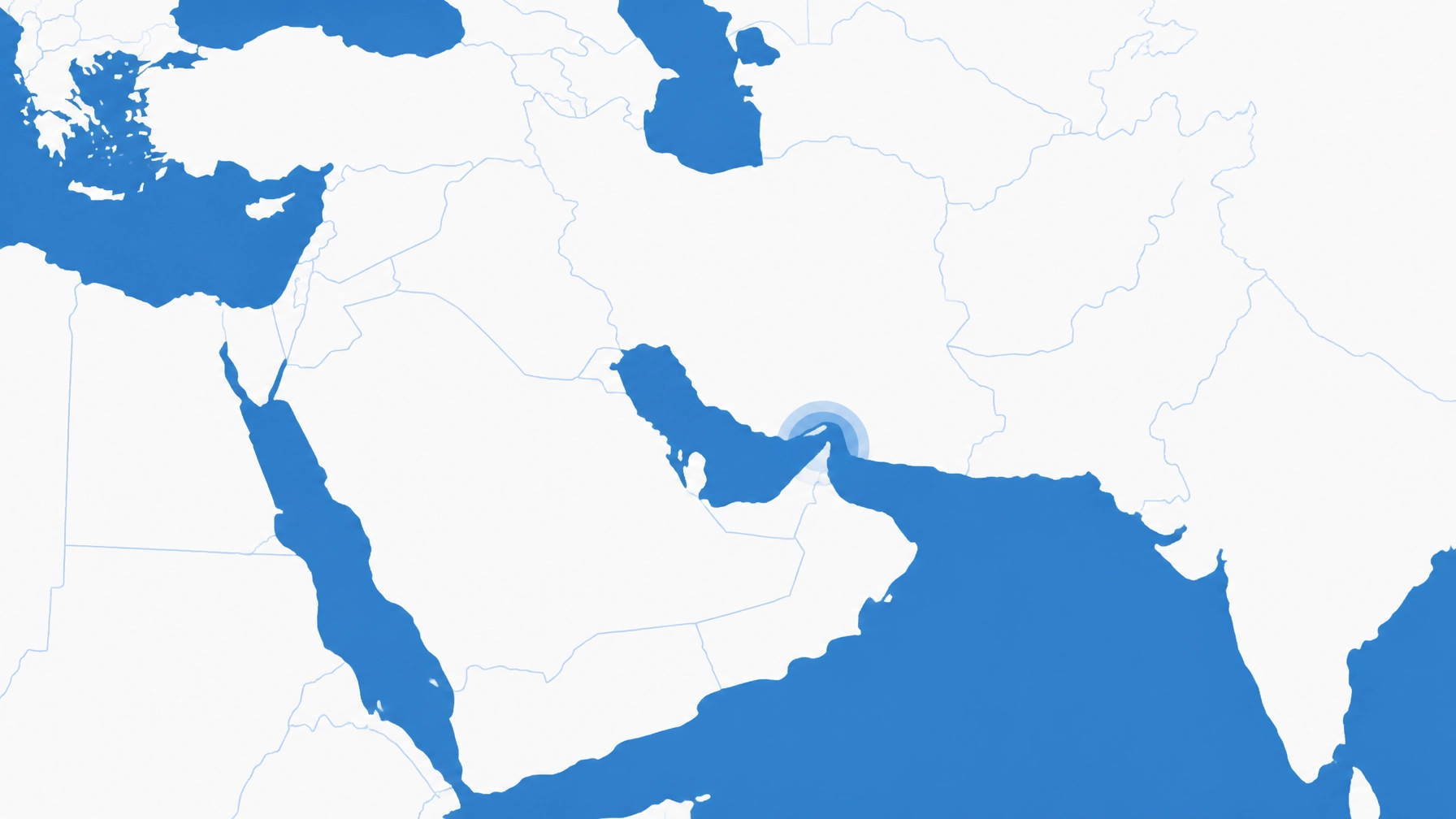
A fragile ceasefire, indirect diplomacy, and the unresolved crisis over the Strait of Hormuz and Iran's nuclear program.
The relationship between the United States and Iran in mid:2026 is defined by a fragile ceasefire, indirect diplomacy, and persistent risk of renewed escalation. After weeks of conflict earlier in the year, both sides have moved into mediated talks focused mainly on implementing a preliminary agreement and keeping the Strait of Hormuz open. The core issues remain unresolved, including maritime access, sanctions relief, and the status of Iran’s nuclear program.
As of July 16, 2026, the diplomatic landscape is characterized by a high-stakes waiting game. While the immediate threat of full-scale regional war has receded since the peak of hostilities in April, the path to a durable peace remains obscured by deep-seated mistrust and tactical disagreements. The international community continues to monitor the situation closely, particularly regarding the security of global energy supply lines and the potential for nuclear proliferation.
From Fighting to Ceasefire
The U.S. and Iran agreed in late June to stop attacking each other and begin talks in Doha, Qatar, after a tense period of strikes and counterstrikes. Reporting at the time said the ceasefire was already fragile, with renewed strikes and threats from both sides, but negotiators still planned to continue technical discussions. The initial agreement centered on maritime security and commercial traffic through the Strait of Hormuz.
The transition from active combat to the current state of "armed peace" followed a significant escalation in the spring. In April 2026, a series of naval skirmishes and drone strikes led to a temporary blockade of major shipping lanes. Mediation efforts led by Pakistan and Qatar were instrumental in securing a 60:day memorandum of understanding (MoU) that formally extended a temporary truce. This MoU, which serves as the current operating framework for both nations, mandates that Iran cease hostilities across all fronts while the U.S. suspends its naval blockade of Iranian ports.
For businesses and government entities following US government contracts and maritime logistics, this ceasefire has provided a much-needed, if unstable, reprieve. The lifting of the blockade has allowed for a cautious resumption of trade, though insurance premiums for vessels in the region remain at historic highs.
Diplomatic Track

Diplomacy has largely shifted to indirect talks in Doha, where U.S. and Iranian officials have discussed maritime traffic, financial incentives, and related implementation issues. The July 1 round of talks focused on the Strait of Hormuz rather than on the harder issues that a broader peace deal would require. Reporting also indicates that the nuclear issue was not part of that technical round.
The talks have been mediated by Qatar and Pakistan, with mediators describing the process as making encouraging but limited progress. Both sides have continued to rely on intermediaries rather than direct, high-level meetings, reflecting deep mistrust. The Doha track is currently focused on the "nuts and bolts" of the 60:day extension: specifically, the demining of shipping lanes and the verification of naval withdrawals.
In parallel with the Doha sessions, technical teams have met in Switzerland to discuss broader security frameworks. These discussions are intended to turn the current MoU into a permanent peace treaty. However, the lack of direct communication between Washington and Tehran continues to slow progress. Each proposal must be vetted through multiple layers of third-party intermediaries, a process that can take days, even for simple clarifications.
Military and Political Tension
Even with diplomacy underway, the situation remains unstable. Reuters reported that the ceasefire was “barely 11 days old” when renewed strikes and threats complicated the talks. Al Jazeera also reported that fighting remained active at points and that Iranian officials described the conflict in very stark terms.
President Trump has publicly said he wants negotiations to continue, but he has also warned that the U.S. could restart the war if talks fail. That combination of negotiation and pressure has made the current moment more of a pause than a lasting settlement. This policy of "maximum pressure combined with technical engagement" has created a volatile political environment. Within the U.S., the administration’s handling of the crisis is under intense scrutiny from both military contractors and political analysts.
On the Iranian side, political rhetoric remains defiant. Despite the technical engagement in Doha, state media continues to frame the conflict as a defense of national sovereignty against Western interference. This dual-track approach, negotiating at the table while maintaining a high state of military readiness, suggests that both parties are preparing for the possibility that diplomacy might collapse before the 60-day MoU expires.
Nuclear Talks

The nuclear file remains unresolved. Current reporting says technical discussions have not yet produced a final deal, and the nuclear program was not the main subject of the July 1 Doha talks. Earlier negotiations in June made some progress, but mediators said a final agreement still had not been reached.
The primary points of contention regarding the nuclear program include:
- The disposal of highly enriched uranium (HEU) stockpiles.
- The verification of enrichment limits at various Iranian facilities.
- The timeline for the release of approximately $24 billion in frozen Iranian assets.
A preliminary accord reportedly includes provisions for the destruction of certain nuclear materials, but the implementation phase has stalled. Iran has sought to delay detailed nuclear discussions until a formal end to hostilities is achieved, viewing the nuclear file as a separate leverage point from the maritime ceasefire. Conversely, the U.S. position has been that any permanent sanctions relief must be tied to "verifiable and irreversible" changes to Iran's nuclear trajectory.
Regional Impact

The conflict has affected energy markets and shipping through the Strait of Hormuz, one of the world’s most important oil transit routes. That has made maritime security a central issue in the talks, alongside broader concerns about sanctions and frozen assets. The global economic stakes are significant: a total closure of the Strait could potentially disrupt nearly 20% of the world's liquid petroleum consumption.
The wider regional picture also remains complicated by the wars and ceasefires involving Lebanon and Gaza, which continue to influence U.S. and Iranian calculations. For government employees and contractors working on regional stability projects, the interconnected nature of these conflicts means that a breakdown in Doha could have immediate ripple effects across the Middle East.
Regional allies, including Saudi Arabia and the United Arab Emirates, have expressed cautious support for the Doha talks but remain wary of any agreement that does not address Iran's regional proxy networks. The economic impact has also been felt in the logistics and defense sectors, where GSA updates and federal procurement priorities have shifted to account for increased maritime protection and energy security needs.
Where Things Stand
As of mid: July 2026, the U.S. and Iran are in a precarious middle ground. They are talking, but only through intermediaries and only on limited technical issues. The ceasefire has reduced immediate fighting, but neither side has reached a durable settlement on the Strait of Hormuz or the nuclear question.
The current relationship is one of cautious de-escalation without real trust. The talks have created space for diplomacy, but the underlying conflict is still unresolved. The 60:day window provided by the June MoU is rapidly closing, and the coming weeks will determine whether the technical progress made in Doha can be translated into a lasting political settlement.
For now, the world remains in a state of watchful waiting. The military assets of both nations remain in close proximity, and the diplomatic teams continue their indirect exchanges. Whether this "war:talks overlap" phase leads to a sustainable peace or a return to active conflict is a question that currently has no definitive answer.
Mark Ricci is a senior political correspondent covering federal governance, policy, and institutional affairs for USGov.News.
Date: July 16, 2026