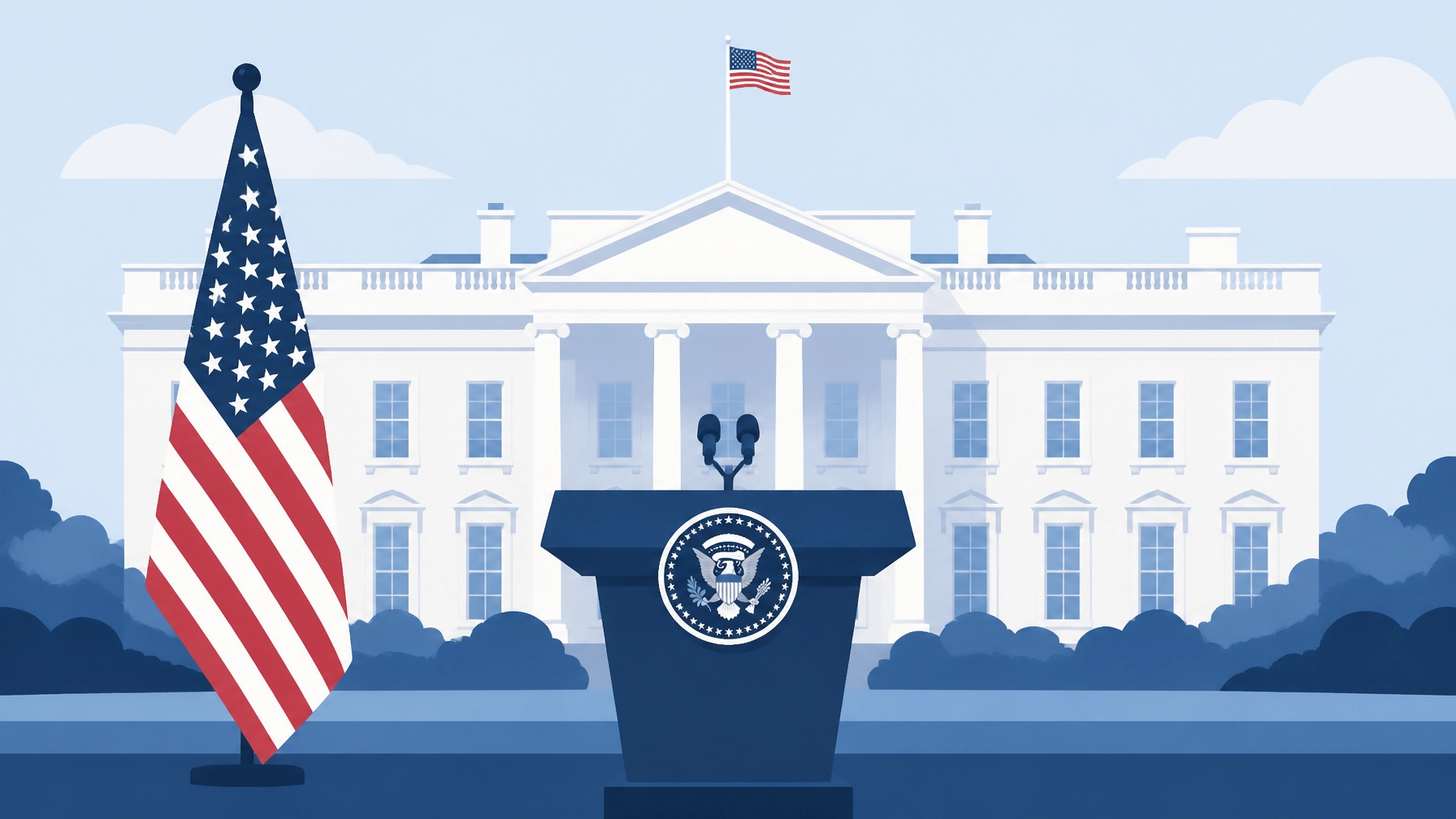
Trump's July 16 Address on election security, Iran tensions, and the 2026 midterms.
WASHINGTON: President Donald Trump is scheduled to deliver a primetime address to the nation on Thursday, July 16, 2026. Current reporting indicates that the speech is expected to focus heavily on election security and the technical integrity of voting machines. While President Trump has suggested that the address will include "other things," the most consistently reported theme across official channels is the protection of American election infrastructure.
Reporters have described the speech as an important political moment heading into the 2026 midterms. This address comes as Trump has been pressuring Republicans to pass tighter federal voting rules. Coverage also suggests he may revisit claims regarding the 2020 election, despite those claims having been previously reviewed and rejected by multiple courts and election officials. The timing of the address, just months before the November elections, underscores its significance in the current political calendar.
Election Security Focus

President Trump’s public comments suggest that his main message will be that “free and fair elections” are essential to the country. The address is being framed as part of a broader push for stronger election rules, including concerns about voting machines, mail-in ballots, and foreign interference. Official reports indicate the administration may cite newly declassified intelligence from the Office of the Director of National Intelligence (ODNI) regarding foreign attempts to influence prior election cycles.
This focus makes the speech less a routine presidential update and more a campaign-style address aimed at shaping Republican messaging before the midterms. It is likely to reinforce Trump’s long-standing effort to make election administration a central political issue for his party. The President has specifically pointed to the need for the "SAVE America Act," which would mandate proof of citizenship for voter registration.
The White House has signaled that the speech will discuss what it describes as “voting machine vulnerabilities.” This framing suggests that the administration views these vulnerabilities as potential points of cyber intrusion by foreign adversaries. However, election officials and cybersecurity experts have repeatedly stated their confidence in the security of the technical aspects of the voting process.
Iran and National Security

The speech is also being delivered amid renewed tensions in Iran, which have added a foreign-policy backdrop to the domestic election message. Coverage by national news outlets indicates that Trump is addressing the nation amid conflict-related uncertainty. The President is expected to provide an update on U.S. military operations, which he has described as "decimating Iran’s military capabilities."
That combination gives the address a dual purpose: it lets Trump speak to both national security concerns and the political fight over how U.S. elections are run. Reporting from the latest government news suggests the election theme will likely dominate the evening, but the Iran situation serves as a primary example of the foreign threats the President argues are targeting the American system.
The military context includes claims that Iran has pursued a multi-pronged covert influence campaign to undercut the current administration. By linking these foreign actions to domestic election security, the President aims to frame voting rules as a matter of national survival. He has previously noted that launch activity from Iranian-backed groups has been reduced by more than 90 percent, a point he may use to demonstrate the effectiveness of his "peace through strength" policy.
Republican Reaction

Republicans are treating the speech as both an opportunity and a risk. Some lawmakers believe a hard focus on voting rules and election integrity could energize the party base ahead of November. These members of Congress have aligned with the President's call to refuse legislative deals unless they include strict voter ID requirements and proof of citizenship for all voters.
Others are worried that another round of 2020 election grievances could distract from issues like inflation, wages, and health care costs: issues that many swing voters prioritize. This internal tension explains why the address is drawing significant attention before the President has spoken. The Republican Party enters the 2026 midterms with a narrow margin in both the House and the Senate, making the impact of this primetime address particularly consequential.
Democratic leaders have expressed opposition to the President's proposed voting changes, characterizing them as barriers to voting. This disagreement has contributed to a broader legislative gridlock that has stalled multiple funding bills and created recurring threats of government shutdowns. The President's address is expected to highlight these partisan divisions as he calls for voters to support his administration's agenda in the upcoming elections.
What It Means

With the 2026 midterms approaching, Trump’s address is widely viewed as part of his broader effort to shape the political terrain before voters go to the polls. The speech is likely to sharpen debate over voting rules, election legitimacy, and the presidency's role in shaping campaign messaging. It also serves as a pivotal moment for the administration to justify ongoing military involvement in the Middle East.
Because the address has not yet been delivered, its exact contents remain uncertain. What is clear is that Trump intends to use it as a major political moment, and both allies and critics are preparing for its fallout. The effectiveness of this speech could influence voter turnout and the focus of political campaigns in key battleground states like North Carolina, Georgia, and Michigan.
The upcoming midterm elections will determine the composition of the 120th Congress. All 435 House seats and 35 Senate seats are on the ballot. As the President prepares to speak, the nation remains deeply divided on the issues he is expected to raise. Readers can stay informed on these and other developments by subscribing to our newsletter.
Mark Ricci is a senior political correspondent covering federal governance, policy, and institutional affairs for USGov.News.