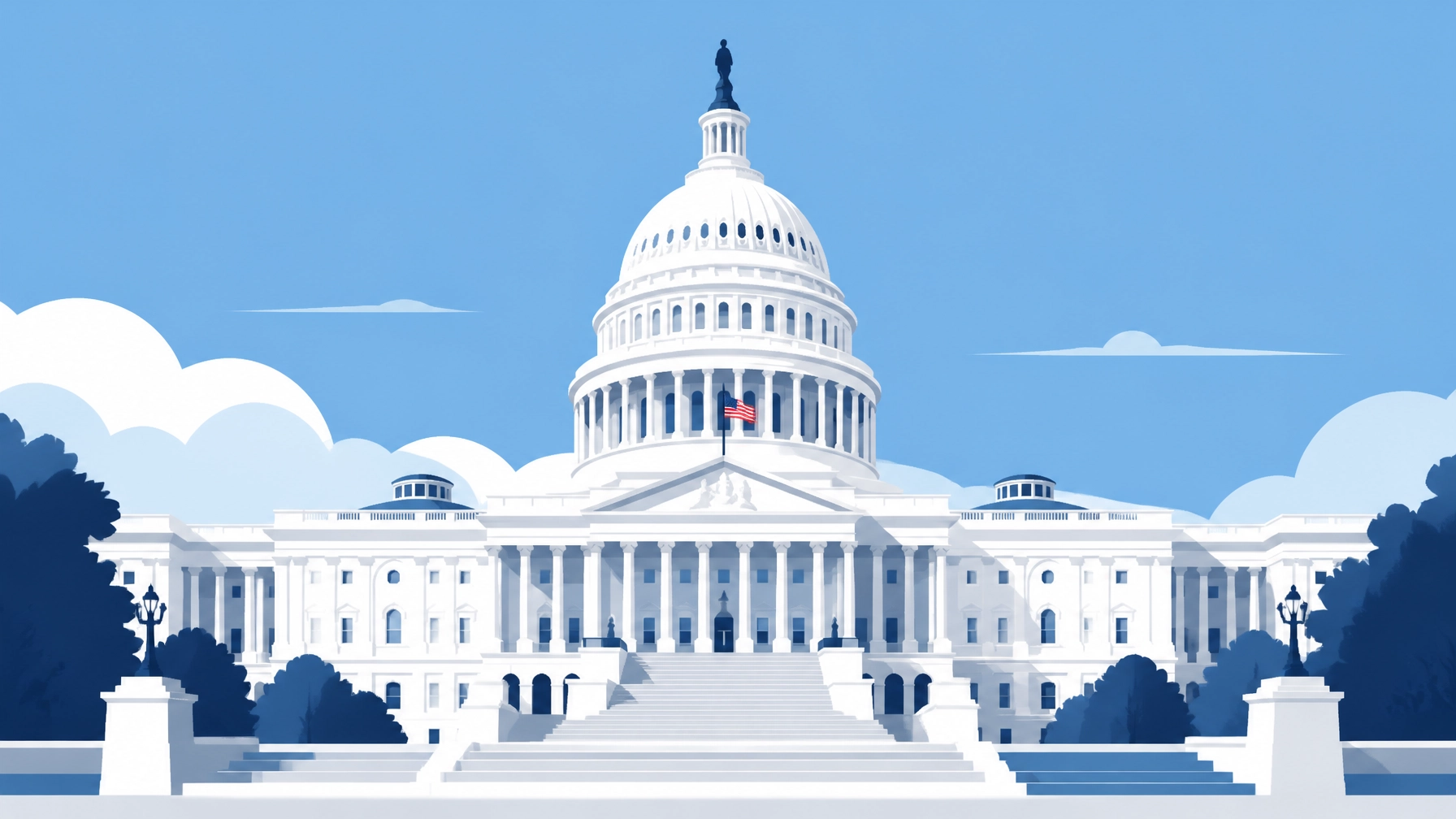
A $95 billion war-and-election budget, a record 702-rule deregulatory blitz, and a World Cup trophy ceremony frame the high-stakes political landscape heading into the 2026 midterms.
By Mark Ricci
July 20, 2026
As of July 20, 2026, the federal government is executing a high-stakes playbook that blends war funding, election-law revisions, and a massive deregulatory drive. The Washington front office is currently managing a league-wide realignment of federal policy, testing the institutional lineup across all three branches of government as the country moves toward a championship season in the upcoming midterms.
$95 Billion Plan for Iran War and Election Law Changes

House Republicans have unveiled a $95 billion budget blueprint that functions as a dual-threat game plan: linking international military strategy with domestic election rules. This legislative roster features several high-cap hits:
- $73 billion: Dedicated to the ongoing military conflict in Iran, focusing on replenishing the munitions playbook and funding classified operations.
- $12 billion: Allocated for farm aid to bolster the agricultural sector’s defensive line.
- $10 billion: Earmarked for a major roster shakeup in voter registration, implementing stricter proof-of-citizenship requirements modeled after the SAVE Act.
The Republican front office is exploring budget reconciliation to move this package, a strategic maneuver that would allow the party to bypass a Senate filibuster. However, internal GOP scouting reports suggest divisions within the caucus, while Democratic opposition remains unified. The package’s path to the end zone remains uncertain as the legislative clock winds down.
Trump’s Executive Orders and Deregulation Drive

President Donald Trump is leaning heavily on his executive coaching tree to enact sweeping changes without waiting for a congressional whistle. By July 17, 2026, the administration had recorded a historic volume of unilateral moves: 269 executive orders, 81 memoranda, and 158 proclamations. This aggressive tempo outpaces the early-season performance of most modern presidencies.
On July 4, 2026, the administration released its 2026 Regulatory Plan and Unified Agenda, a scouting report that identifies 702 federal rules for immediate rollback. The targeted areas for these cuts include:
- Environmental review requirements for energy infrastructure projects.
- Energy efficiency standards for consumer appliances.
- Regulations promoting diversity, equity, and inclusion (DEI) across the federal workforce.
- Equal employment opportunity (EEO) reporting rules for federal contractors.
The administration is also attempting to scale back Executive Order 11246, which governs affirmative action obligations. This move signals a broad effort to overhaul the federal acquisition playbook, potentially resetting the compliance standards for thousands of private companies in the US government news cycle.
National Defense, Supply Chains, and Critical Materials
To secure the federal roster, the administration is prioritizing strategic supply chains under the banner of national security. A February 18, 2026, directive instructed federal agencies to safeguard the domestic supply of elemental phosphorus. This material is viewed as a "franchise player" for both the agricultural and defense industries.
This order is part of a broader push to re-shore critical infrastructure, ensuring that the American "home field" is protected against global supply chain disruptions. By tying economic policy to strategic security concerns, the administration aims to build long-term depth in sectors ranging from energy to munitions.
Ongoing Iran War and Military Casualties

The war with Iran continues to be the primary driver of federal spending and policy shifts. The Pentagon has reported a series of strikes and counterstrikes in recent weeks. Official statements confirm that U.S. service members were killed during attacks on American bases targeted by Iranian forces.
These losses have created a clutch moment for the White House, which is citing the casualties to justify the scale of the $95 billion supplemental budget request. While the administration views this as a necessary investment in the national defense playbook, public support for the conflict is mixed. Rising costs and the proximity of the 2026 midterm elections are forcing both parties to adjust their messaging on war-related legislation.
White House Messaging and Public Events

Despite the pressures of war and domestic policy fights, the White House is utilizing major cultural stages to shape its public image. On July 20, 2026, President Trump is scheduled to participate in a FIFA World Cup Trophy Ceremony. This event serves as a high-profile halftime show for the administration, celebrating the fact that North America is hosting the global tournament.
The ceremony underscores the administration’s strategy of associating itself with national pride and global spectacles. Critics, however, have noted the contrast between this symbolic celebration and the ongoing military conflict abroad and legislative battles at home.
Polarization, Elections, and Institutional Strain
The current political arena is defined by extreme polarization, particularly regarding the rules of the game for the upcoming elections. The drive for strict proof-of-citizenship requirements, highlighted by the inclusion of the SAVE Act in the budget, has triggered sharp criticism from the opposing side.
Democrats and voting-rights advocates argue that these measures could suppress eligible voters and undermine the integrity of the institutional lineup. Conversely, Republicans and the Trump administration defend these changes as essential "officiating" necessary to protect ballot security. This ongoing dispute over the electoral playbook is intensifying the strain on federal institutions and heightening the stakes for political newsletters tracking these developments.
The Road to the 2026 Midterms
As of July 20, 2026, the U.S. government is fully focused on a four-part game plan:
- Securing and managing the war in Iran through supplemental funding.
- Reshaping federal election rules through budget reconciliation.
- Executing a record-breaking deregulatory blitz in the labor and environmental sectors.
- Protecting the domestic supply chain for critical materials.
The outcome of these high-stakes plays will likely determine the momentum heading into the 2026 midterm elections. With control of the congressional "front office" at stake, both parties are preparing for a final playoff push that will define the direction of the country for the remainder of the decade.
Mark Ricci is a senior political correspondent covering federal governance, policy, and institutional affairs for USGov.News.