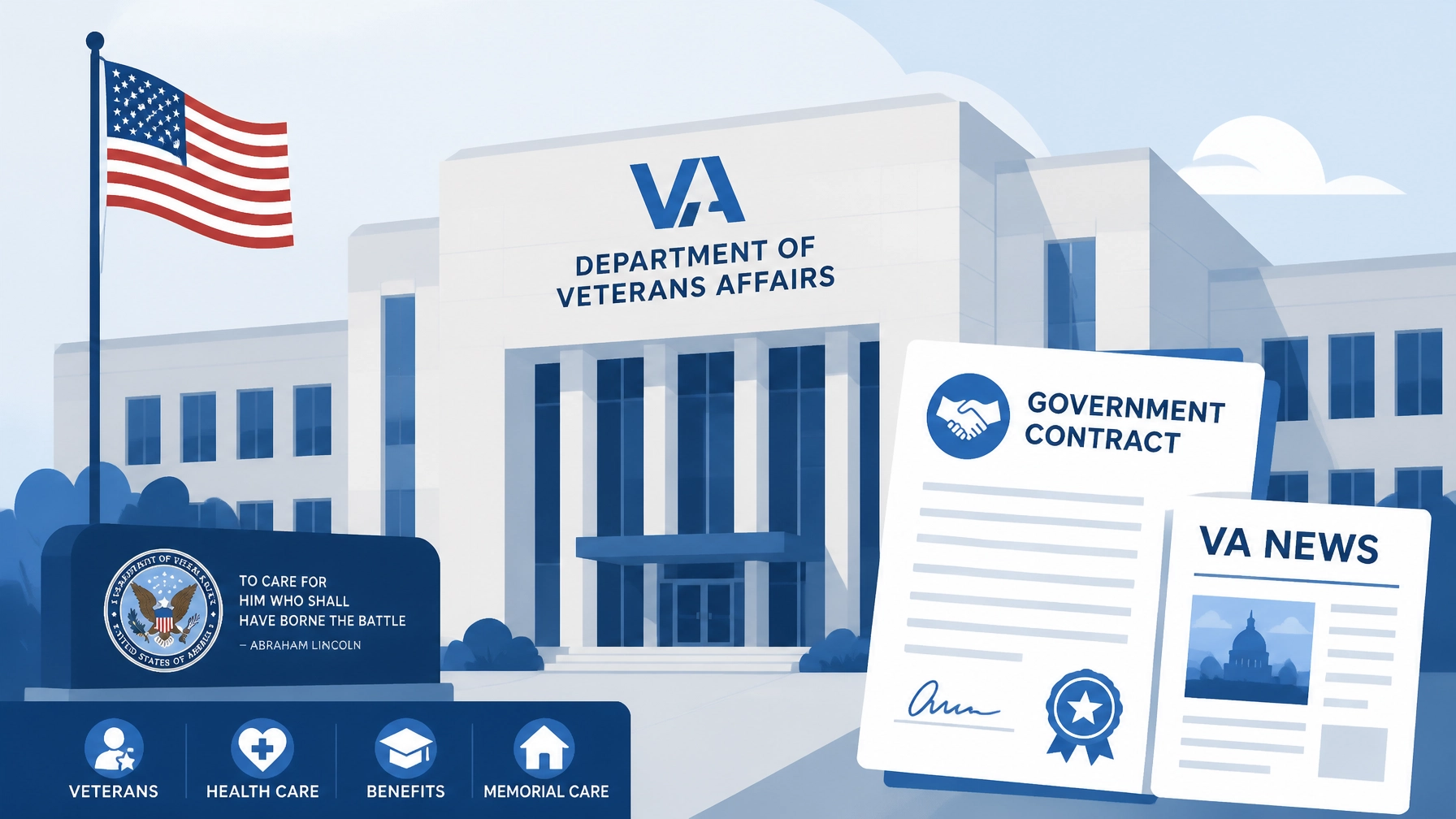
The landscape of Veterans Affairs news remains a critical focal point for government contractors, veterans, and advocacy groups as the federal government implements new procurement strategies and healthcare initiatives in June 2026. This article provides a comprehensive overview of recent developments within the Department of Veterans Affairs (VA), ranging from multi-million dollar construction contracts to significant shifts in small business certification protocols.
Understanding these updates is essential for organizations seeking to navigate the complexities of federal spending and for veterans looking to leverage available benefits. The following sections detail the current state of procurement, certification requirements for veteran-owned firms, and clinical advancements shaping the future of veteran care.
Current Procurement Landscape and Major Opportunities
As of late May 2026, the Department of Veterans Affairs has issued several high-priority solicitations that signal a robust period for government contracts. A primary focus of recent activity involves the expansion of veteran housing and infrastructure.
The VA announced a significant Request for Proposals (RFP) on May 28, 2026, aimed at constructing housing for 220 veterans at the West Los Angeles VA campus. This project represents a substantial commitment to addressing veteran homelessness and modernizing federal facilities. Officials said the solicitation specifically seeks contractors capable of managing complex real estate and construction requirements while adhering to federal standards.

For firms specializing in construction and facility management, this RFP is a key entry point into the VA’s capital project pipeline. Interested parties can track specific solicitation details on federal procurement portals such as SAM.gov. VA acquisition offices said that these projects often prioritize firms with a history of successful federal performance and compliance with strict safety regulations.
Beyond construction, the VA continues to release monthly procurement forecasts that cover a wide range of industries, including information technology, medical supplies, and administrative services. Contractors are encouraged to monitor these forecasts to identify upcoming opportunities before they reach the formal RFP stage. Consistent engagement with the VA’s procurement officials remains a recommended strategy for staying ahead in the competitive bidding environment.
Navigating SDVOSB Certification in 2026
For many veteran entrepreneurs, the Service-Disabled Veteran-Owned Small Business (SDVOSB) designation is the most powerful tool for securing government contracts. The VA operates under a "Veterans First" statutory requirement, which mandates that the agency apply a "rule of two" for its procurements.
This rule requires the VA to prioritize VOSB and SDVOSB set-asides whenever market research indicates that at least two capable veteran-owned firms are likely to submit offers at a fair and reasonable price. Officials from the Small Business Administration (SBA) said that this policy has consistently driven a high percentage of VA spending toward veteran-led enterprises.

Effective since 2023 and continuing through 2026, the certification process for SDVOSBs has been centralized under the SBA’s Veteran Small Business Certification (VetCert) program. Previously, the VA’s Center for Verification and Evaluation managed this process. The SBA said the transition was designed to streamline the experience for veterans and ensure a unified standard across all federal agencies.
To succeed in the SDVOSB category, businesses must ensure their VetCert status is active and accurate. The SBA said that self-certification is no longer sufficient for VA contracts, and firms must undergo the formal verification process to qualify for set-asides. Business owners are advised to maintain meticulous records of their service-disabled status and ownership structure to prevent delays during the recertification cycle.
Leveraging the GSA Schedule for Veteran-Owned Businesses
The GSA schedule, or Multiple Award Schedule (MAS), serves as a long-term, government-wide contract that allows federal agencies to purchase products and services at pre-negotiated prices. For veteran-owned firms, holding a GSA schedule contract is often seen as a "license to hunt" within the federal marketplace.
GSA officials said that while there are no separate schedules exclusively for SDVOSBs, the MAS program provides numerous mechanisms for veteran-owned firms to gain a competitive edge. Agencies frequently use SDVOSB set-asides when ordering from the GSA schedule, allowing veteran firms to compete in a smaller, more focused pool of vendors.

In 2026, the GSA has introduced updated ordering guidance that encourages contracting officers to utilize veteran-owned small businesses for recurring needs in IT and professional services. The General Services Administration said that these updates are intended to help the government meet its small business contracting goals while ensuring high-quality service delivery.
Firms interested in the GSA schedule must navigate a rigorous application process that includes demonstrating past performance and financial stability. Once a contract is awarded, the focus shifts to marketing the firm’s GSA status to agency buyers. Experts said that having a GSA schedule simplifies the procurement process for government buyers, making it an attractive option for agencies with urgent or complex requirements.
Clinical Breakthroughs and VA Healthcare News
While procurement and contracting are vital, veterans affairs news also covers critical updates in healthcare and veteran benefits. In June 2026, the VA highlighted several clinical initiatives aimed at improving the quality of life for those who served.
One notable development is the progress of MDMA-assisted therapy trials for the treatment of post-traumatic stress disorder (PTSD). VA medical researchers said that early results from these trials have shown promise in reducing symptoms for veterans who have not responded to traditional therapies. This initiative is part of a broader effort to integrate innovative mental health treatments into the VA’s standard care model.

Additionally, the VA reported improvements in the delivery of prosthetic limbs and assistive technologies. The department said it has implemented new logistical protocols to ensure that veterans receive necessary medical equipment faster than in previous years. These updates coincide with the start of the 2026 hurricane season, for which the VA has issued specific preparedness guidance for veterans living in high-risk areas.
The VA also continues to expand benefits under the PACT Act, which has significantly increased the number of veterans eligible for toxic exposure-related care. Officials said that thousands of veterans are now receiving care for conditions previously not recognized as service-connected. Keeping track of these clinical and benefit updates is essential for veterans and their families to ensure they receive the support they have earned.
Best Practices for Tracking Veterans Affairs News
Staying informed about the constant flow of veterans affairs news requires a multi-faceted approach. Information can emerge from several different sources, including the VA’s official newsroom, congressional committees, and federal procurement portals.
Industry leaders said that the most successful firms and advocates use a combination of the following resources:
- VA Office of Small & Disadvantaged Business Utilization (OSDBU): This office provides policy notices and updates specifically related to veteran-owned business programs.
- SAM.gov: This is the primary portal for tracking active solicitations and changes to federal acquisition regulations.
- Congressional Committees: The House and Senate Committees on Veterans’ Affairs often post bill summaries and hearing notices that flag upcoming legislative changes.
- Trade and Advocacy Groups: Organizations like the VFW and various veteran business coalitions often provide early warnings about policy shifts that could impact benefits or business opportunities.
According to a report from a coalition of veterans' advocacy groups in April 2026, the complexity of federal regulations makes it necessary for stakeholders to engage with news daily. This consistent monitoring allows organizations to adjust their strategies in real-time as new rules or opportunities are announced.
Summary of Current Trends
The state of Veterans Affairs news in June 2026 reflects a period of modernization and targeted growth. From the major housing RFP at the West L.A. campus to the ongoing refinement of the SBA’Cert program, the opportunities for veteran-owned businesses remain substantial. Simultaneously, the VA’s commitment to innovative healthcare solutions, such as MDMA-assisted therapy, underscores a shift toward more personalized and effective veteran care.
For those operating in the federal space, the combination of government contracts, the GSA schedule, and SDVOSB status remains the most effective path to success. By staying informed through reliable news channels and maintaining compliance with evolving standards, both contractors and veterans can effectively navigate the complexities of the Department of Veterans Affairs.
For more updates on government activities and political developments, visit our articles page or subscribe to our newsletter for daily briefings. To learn more about our mission to keep citizens connected to their government, visit our About Us page.